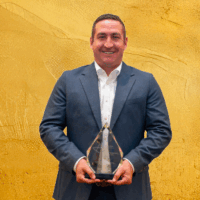

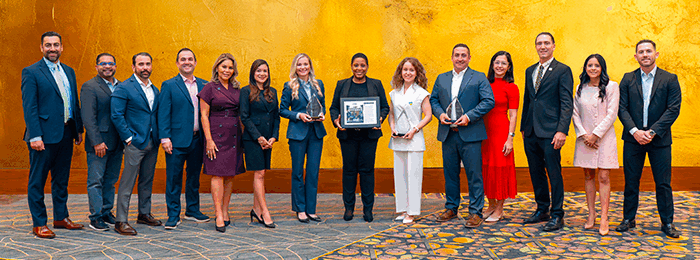






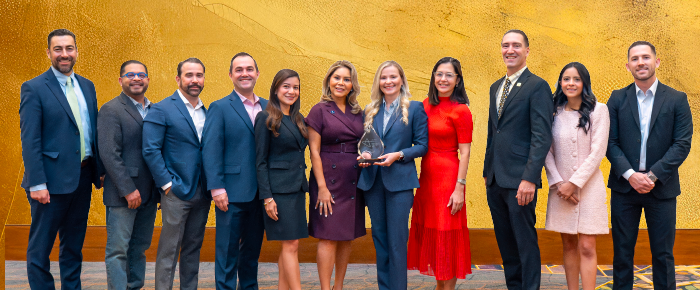
At The Assembly Las Vegas in September, the ACAMS South Florida Chapter received the ACAMS Chapter of the Year Award―a milestone that reflects the chapter’s extraordinary resurgence within the global ACAMS network while at the same time marking the geographic area where ACAMS itself was founded. The chapter’s revitalization was sparked by the visionary leadership of emeritus co-chair Nick Schumann, whose groundwork inspired co-chairs Elena Sutton and Alek Dvoskin to propel the chapter to new heights with their innovative and dynamic leadership. Together, they have transformed the ACAMS South Florida Chapter into a vibrant hub for anti-financial crime (AFC) professionals, fostering collaboration, education and cutting-edge initiatives. ACAMS extends its deepest gratitude to the chapter’s dedicated board members, whose tireless commitment and collective efforts have been pivotal in earning this prestigious award, solidifying the chapter’s critical role in advancing ACAMS’ mission to combat financial crime worldwide.
ACAMS Today (AT): Congratulations on your award! Please describe why you believe your chapter was selected to receive this award?
ACAMS South Florida Chapter (ASFC): We believe our success comes from a combination of factors. First, we have an outstanding board whose teamwork, dedication and active involvement set the tone for everything we do. Each member contributes to shaping the quality of our events, strengthening community connections and ensuring that every initiative has meaningful impact.
Second, we place a strong emphasis on event quality and consistency. By maintaining a steady cadence of programs, we create regular opportunities for education, discussion and networking. These events are designed not only to inform but also to connect people, fostering relationships that extend beyond the sessions themselves.
Finally, our public and private partnerships are essential. We actively engage with law enforcement (LE), regulatory agencies and local universities. This allows us to bring diverse perspectives into our work and strengthens the relevance of our programs. These collaborations ensure that what we deliver is valuable to both our members and the broader community.
Together, the leadership of our board, the quality of our events and the support of our partnerships provide a strong foundation that keeps our community engaged, informed and growing.
AT: Your chapter has been quite active this year, with several live and virtual events held so far and a few still scheduled to take place this fall. Which event or events did you find particularly successful and what contributed to that success?
ASFC: We would highlight three events that demonstrate the breadth and impact of our programming. The first is our annual awards ceremony in South Florida, where we recognize local contributions and engage professionals and institutions in the region. The event is held every January and has become a valued tradition. The winning institution hosts the following year’s ceremony, which creates a sense of pride and continuity.
The second is our TRM Labs Crypto Master Class, which sold out completely and was highly engaging in a workshop format. In addition to earning ACAMS credits, participants also received TRM certifications, making it both educational and practical.
The third is our correspondent banking webinar held earlier this year. Correspondent banking is particularly important for banks in Florida given the nature of the local market. After hearing feedback that we should provide more targeted programming, we developed this session. It drew participation from a significant number of attendees across multiple countries and was very well received.
These events reflect our commitment to delivering relevant, high-quality programs that address both local needs and broader industry trends.
AT: What advice do you have for other chapters regarding developing and cultivating an engaging chapter event?
By maintaining a steady cadence of programs, we create regular opportunities for education, discussion and networking
ASFC: Our advice would be to focus on a few key areas. First, listen closely to your members and community. The most engaging events are those that respond to local needs and provide timely, practical value.
Second, balance quality and consistency. Build your program calendar for the entire year in advance and share it with your community so they know what to expect. Maintaining a steady rhythm of events helps sustain engagement, while ensuring each event delivers strong content keeps people coming back.
Third, develop true partnerships with sponsors and external stakeholders. We see our sponsors as more than financial supporters. They provide speakers, thought leadership and subject-matter expertise that enrich our programming. Partnerships with regulators, universities and industry groups further broaden the perspectives we can offer.
Finally, mix formats. Educational and technical events are essential, but social and networking gatherings bring people together in a different way and add energy to the chapter. A healthy mix keeps programming both useful and enjoyable.
AT: What financial crime trends have you seen flourishing during the past year and what emerging trends do you think will be seeing over the next year?
ASFC: Over the past year in South Florida, we have seen fraud trends intensify, especially scams involving account takeovers, business email compromise and payment fraud. Given the region’s international banking connections, correspondent banking risks and sanctions compliance have also remained top-of-mind. Another notable development have been changes from the National Automated Clearing House Association for ACH transactions, which are requiring institutions to strengthen their monitoring and fraud prevention controls around electronic payments.
Looking ahead, we expect to see more focus on crypto-related risks, as both regulators and institutions increase scrutiny on digital assets flowing through the region. We are also likely to see greater convergence between fraud and anti-money laundering programs, as banks aim to manage risks holistically rather than in separate functions. Finally, there will be continued emphasis on cross-border transactions, with regulators pushing for more effective monitoring and information sharing across jurisdictions, given South Florida’s role as a hub for international financial activity.
AT: What steps should an AFC professional in South Florida who is not yet a chapter member take to become one?
For professionals in South Florida who are not yet members, the best first step is to attend one of our events to see the value of the community and meet
other practitioners
ASFC: For professionals in South Florida who are not yet members, the best first step is to attend one of our events to see the value of the community and meet other practitioners. From there, joining as a member provides access to a wide range of benefits, including high-quality educational programs, relevant industry updates and valuable networking opportunities. Membership also creates opportunities to become more involved by volunteering, contributing ideas for programming or supporting special initiatives. Taking these steps not only helps individuals grow professionally but also strengthens the broader financial crime community in South Florida.
AT: What events are the ACAMS South Florida Chapter planning for 2026? Where can readers find more information on future events?
ASFC: We post all of our events on the ACAMS South Florida Chapter website events page1 and on LinkedIn2 so the community can stay up-to-date. Looking ahead to 2026, a few initiatives we are excited about include a collaboration with the ACAMS Mexico Chapter to host a fully Spanish-speaking event, which will allow us to reach and engage a broader audience. We are also planning a dedicated fintech (banking as a service), Geographical Targeting Order and nontraditional banking event to expand our presence, connect with these institutions and deliver programming that is tailored to their needs while providing education and value to the wider community.
In addition, we are exploring a regulator and LE roundtable series, designed to bring together practitioners, regulators and enforcement agencies in an open dialogue. This type of event would provide unique insight into supervisory expectations, enforcement trends and best practices, while strengthening the relationship between the private and public sectors.
Interviewed by Karla Monterrosa-Yancey, CAMS, editor-in-chief, ACAMS, editor@acams.org
- "ACAMS South Florida Chapter webpage," ACAMS.org, https://www.acams.org/en/chapters/united-states-southeast/south-florida-chapter
- "ACAMS South Florida Chapter LinkedIn page," LinkedIn, https://www.linkedin.com/company/acams-south-florida-chapter/